PUBLISHED IN CONDÉ NAST TRAVELER
The Long Spanish Goodbye
There's a tenderness in traveling with someone you just broke up with, as writer Sophie Mancini learns on a month-long trip through Spain.
RUBEN EARTH/GETTY
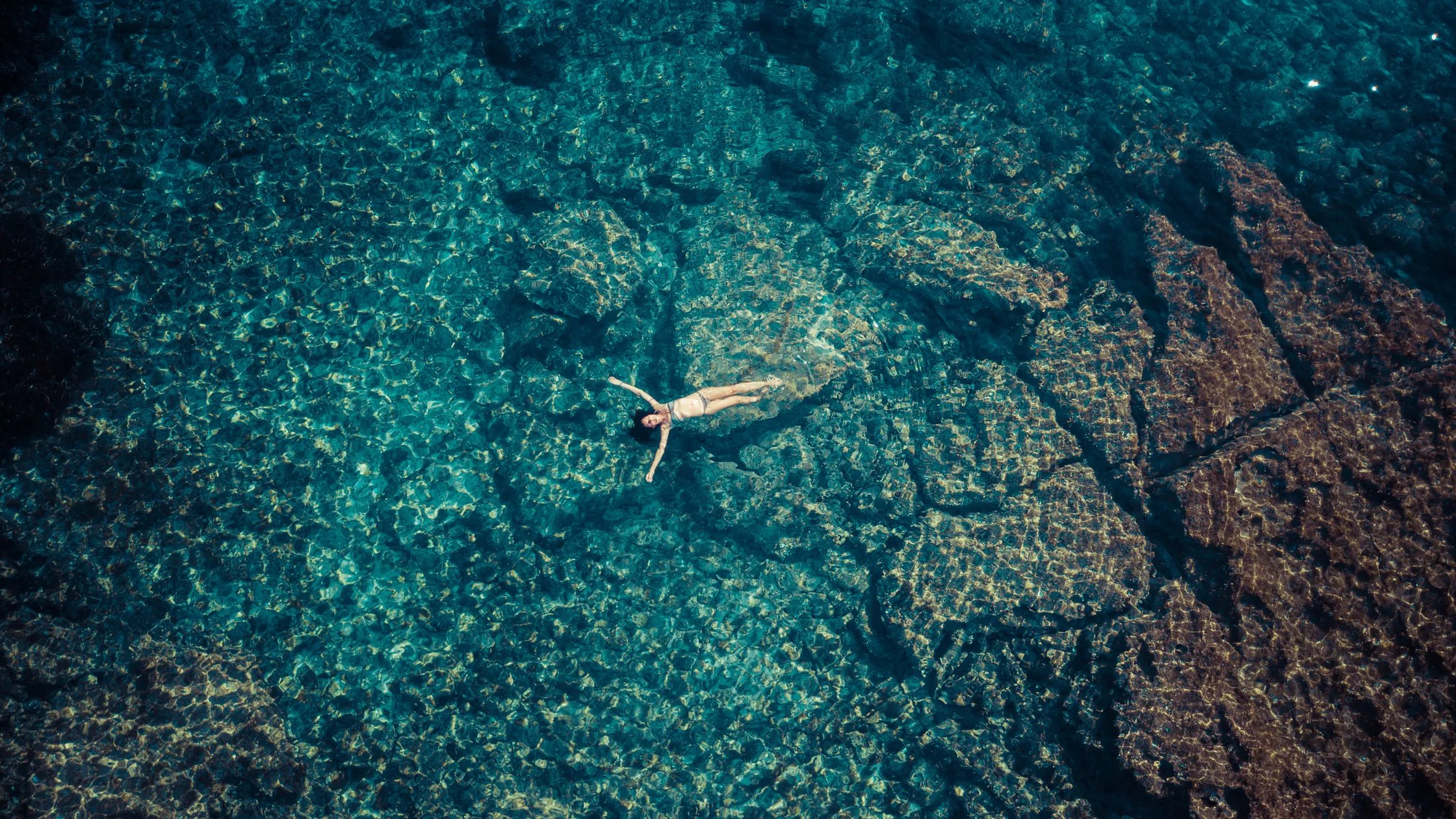
SALT GOES WELL WITH SALT. Cured fish, briny vermouth, jamón, sweat, sea—they complement tears, feeding each other with a soft sting. This occurred to me, floating on my back, off a cove in Mallorca. Tears slid from my eyes as the sea washed across my lips. X perched up on the rocks. He never had the urge to immediately fling his body into saltwater like I did, nor stay splashing about until the sun went low. My memories recall always waving to him ashore, vision blurry with waves and sun, beaming so he might see my joy.
After five years together, X and I had broken up less than 48 hours ago in New York. Somewhat opposites, we’d begun to diverge in ways that felt untenable, stifled within the roles we’d built for one another—his quietude to my chaos. I felt a growing urge to escape from my own life, to stretch time through too many drinks and nights that never ended. I’d get home later and later, until things began to really fracture.
He had planned to accompany me for a month of travel through Spain: spending June across Mallorca, Valencia, and Madrid. The plane tickets were nonrefundable and everything was booked. As we faced the realities of him moving out—what he’d take and what he’d leave from this home we’d built together—uprooting one more thing felt nearly impossible. So we went ahead with the trip as planned. One month. Three cities. The decisions you make with a punctured heart are hilarious like that.
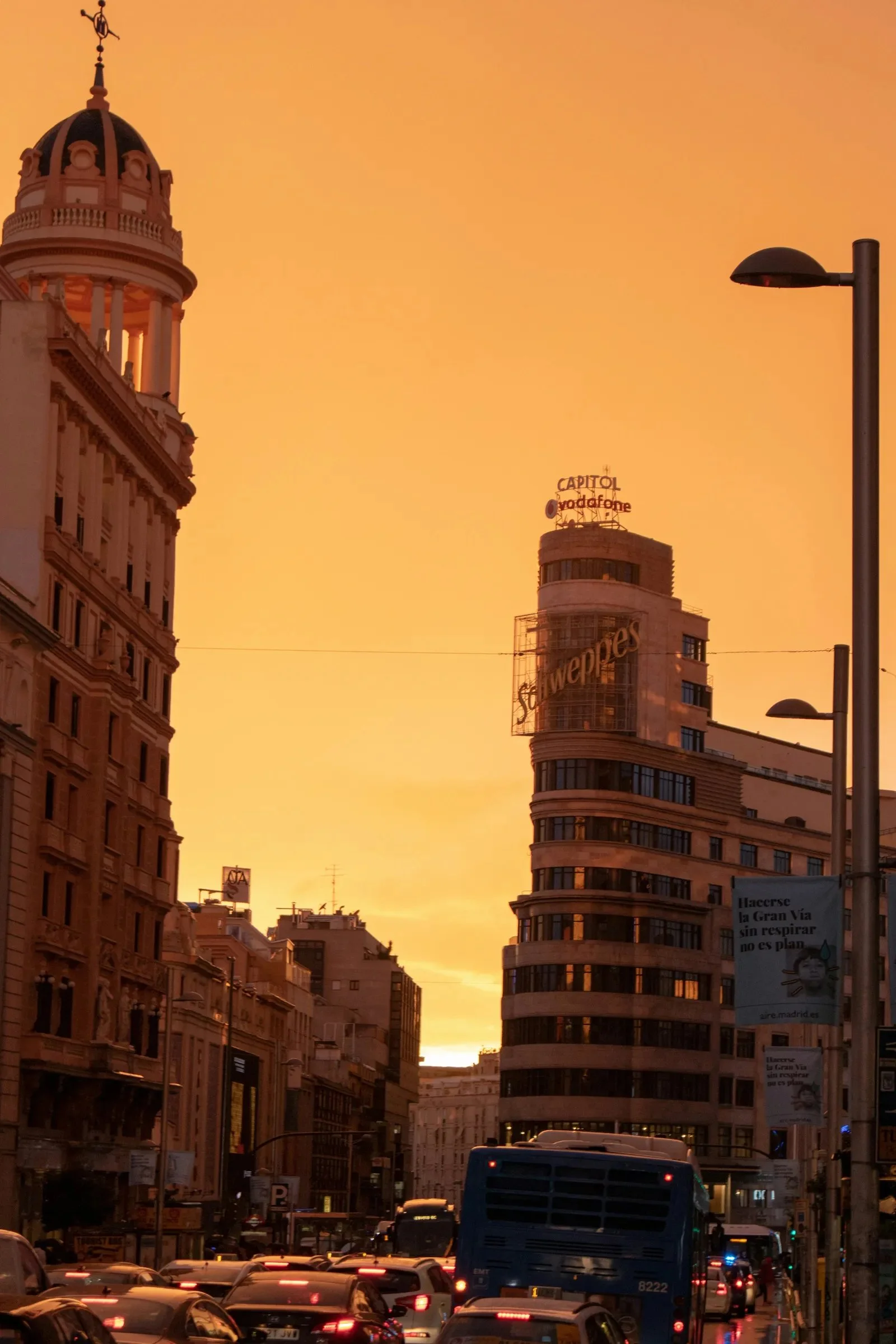
We began in Mallorca, a Balearic island of old, limestone villages, fringed with aquamarine inlets for swimming. Everything is spread out, meaning a car is necessary to explore. Our drives across the island felt equal parts endless and scarce, innumerable miles stretching out before us over —some of the last days we’d ever share. I’d glance over at his dark curls and his ski-slope nose, this face I thought I’d die beside.
Up and down Mallorca’s mountainous terrain, we played the artists of the country, letting Rosalía, Camarón de la Isla, C. Tangana, and Paco de Lucía wrap us in their rhythms and whispers. They filled the silence and said what I could not:
Este camino tuve que elegir / A cualquier precio hay que sobrevivir / Pero en las noches no puedo dormir / Viéndote sufrir / Porque tengo la culpa
(I had to choose this path / One must survive at any cost / but at night I can't sleep / seeing you suffer. / Because I'm to blame).
—"La Culpa (feat. Canelita)" by C. Tangana, Omar Montes, Daviles de Novelda, Canelita
MARTIJN VONK/UNSPLASH, YUCEL MORAN/UNSPLASH
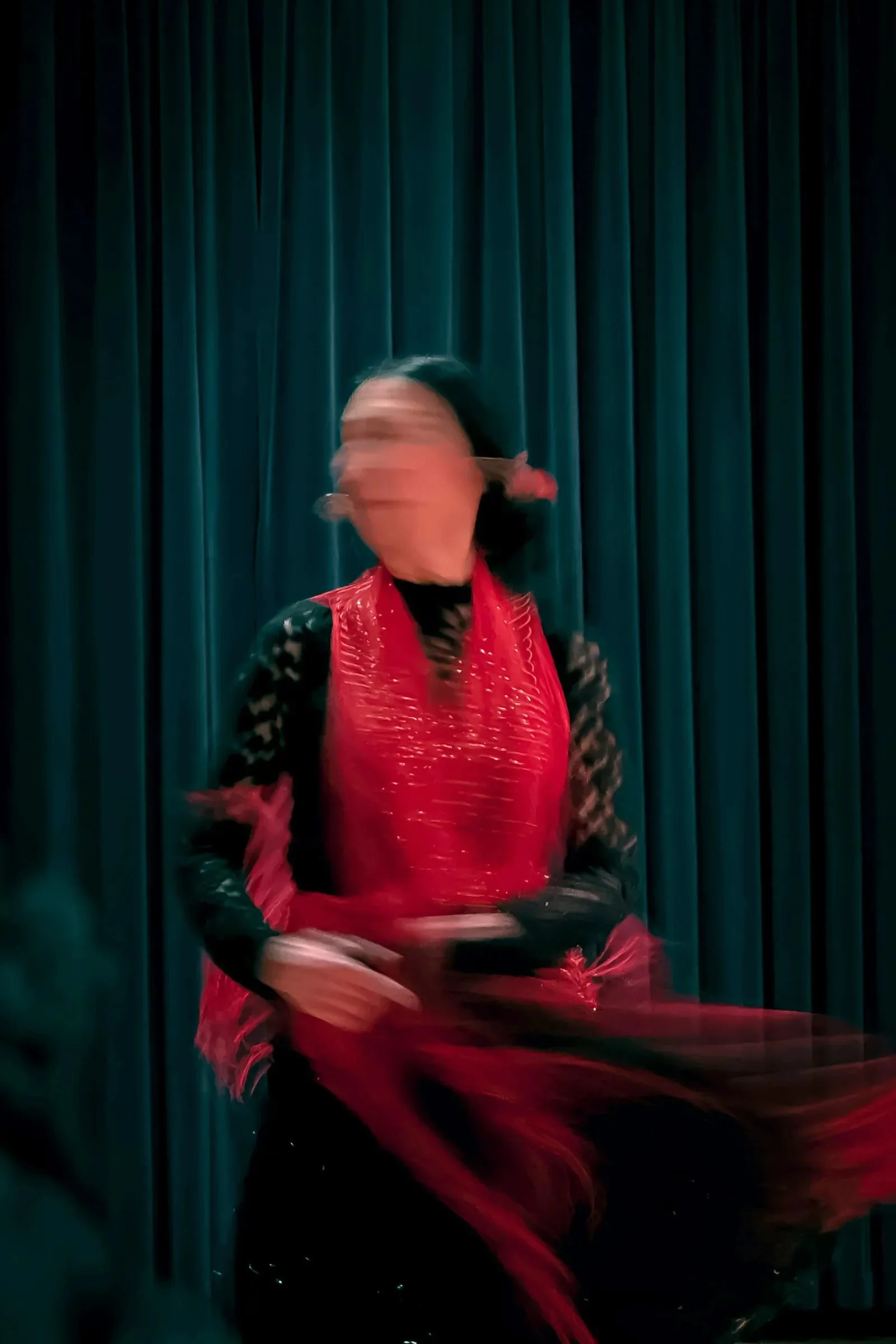
I still keep these artists close. Their sounds pull from the rich heritage of flamenco, a musical genre born of Gitanos (Romani people) arriving in the Iberian Peninsula. Historically persecuted, they expressed their pain and pleasure through song, with a strong improvisational influence not unlike American jazz. They’d dialogue to one another through elements such as cante (singing), toque (guitar), baile (dance), and palmas (clapping). When there are no words, it seems, we all turn to music.
Days began to blend as we shared beds and toothpaste and bottles of water. We existed outside of time, held together by old world measures: thrumming church bells and slanting golden hours, doles of sunscreen pressed from palm to back.
We hiked through Mallorca’s Tramuntana Mountains one morning, up to Galatzó Peak, the highest in the mountain’s northwest range. It’s a breathtaking climb, over sun-bleached limestone rocks and amid fragrant foliage, the Mediterranean shimmering miles below. From its peak, the world never looked so vast. Sun beams burst through cloud wisps, gilding everything in bright, sparkling light: cobalt water, white crags, kelly green moss. There was nothing to do but take in the panorama of nature’s divine, our sweat drying in the wind. X took a photo of me that day. It remains one of my favorite photos of myself. It reminds me of how the world, in its most unexpected moments, can leave you breathless.
As our nights abroad dwindled, I’d slide my hand across the sheets and touch my pinky to his, watching his chest rise and lower in sleep. More salt from the eyes. Our last dinner together was at Corral de la Morería, an old, iconic restaurant and flamenco stage in Madrid. We dined on tender lamb chops and cold glasses of hierbas, an anise-flavored Spanish liquor. And then the show began. The lights went dark. A cantaora came out singing a capella, a crystalline weep that poured through the room like sea water. Next: slanting notes of guitar, reverberating with an ache. Finally, a woman in red, barefoot. Lots more salt from the eyes. Not for us, or our last night together. For the bend of her arms, the rustling trail of her dress, the color of that silk—like a woman bleeding out. Then she gathered her skirts, and began to dance.