EDITORIAL PROJECT
The Dossier Relaunch
Evolving an iconic publication for its adventurous, globe-trotting new era.
THEN
“Dossier was created on the fancy-pants premise that people who are into fashion and art are probably also literate... The result is a curious poetry.”
— The New York Times
“Creativity with a wide-ranging appeal.”
— The Cut
“Perennially cool.”
— W Magazine
NOW
Running from 2008 to 2015, Dossier’s print magazine and website fused fashion, photography, art, and literature into a title garnering critical acclaim. Its subjects included names such as David Lynch, Nan Goldin, Robert Pattinson, Solange Knowles, Stevie Nicks, Yayoi Kusama, and Yoko Ono.
I helped evolve the iconic title into its latest iteration as a luxury travel and culture publication — building on the intel gleaned from rebuilding Departures whilst honoring the independent, intellectual spirit of the Dossier legacy.
I established foundational language, namely our key tagline — Close takes on a wide world — a way to telegraph both the intimacy and humanity, as well as the global aperture and intrepid ethos defining our new chapter. I developed new columns in line with this identity, helped launch our inaugural print issue, and wrote dispatches through the intimate, curious lens of our reborn title.
Some favorite dispatches lie below…
So Long, London
I write this from a plane, where the most sentimental (if you’re romantic) and physically uncomfortable (if you’re in economy) writing occurs. I have not been home in 47 days. And while I am eager to assess the health of my 11 plants, I am not entirely pining for New York.
After this long away from the city, I am usually at my wits’ end with some perceived lack of efficiency, quality Asian food, diversity, street style, walkability, or general cosmopolitanism. But flying back from London, I’m feeling none of those things. It’s possible I lived a previous life there as another woman or squirrel or tree — because never have I found a city that has felt so much like home.
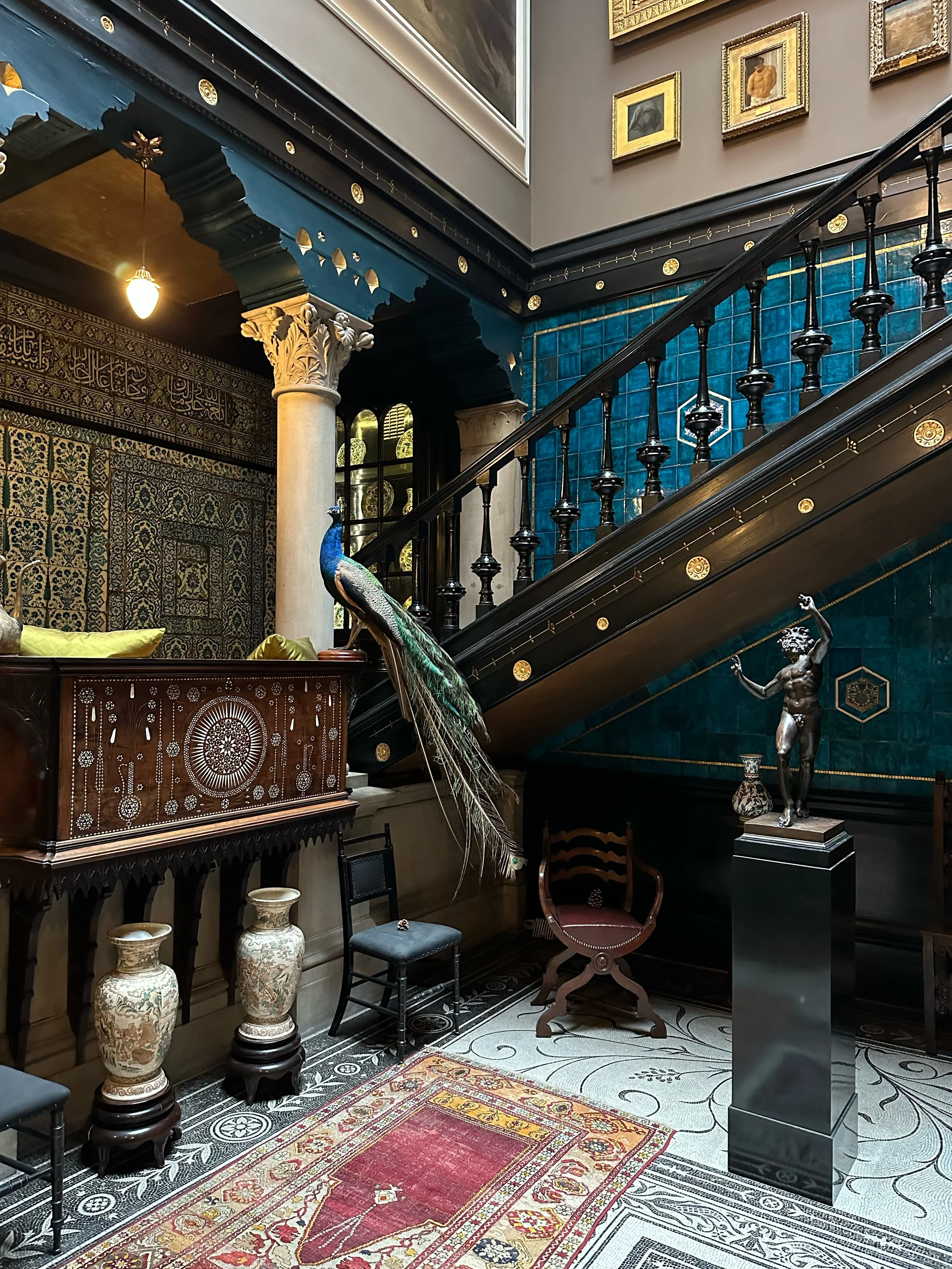
Staying in an actual home for most of my visit probably helped. I bunked in the Notting Hill house where my boyfriend grew up, full of childhood photos, a lush communal garden, and beautiful Georgian portraits whose eyes moved at night.
I tend to be nocturnal, so working New York hours on European time didn’t bother me at all, aside from the eyes. It meant that I had plenty of time to explore and savor the city’s cultural and, notably, culinary gifts — some of which deserve a UNESCO World Heritage designation. From my recipe for morning joy to a proper fryer’s joint, here are a few of my finds.
To start the day, procure a latte from The Coffee Plant and a falafel from the stand in front, delicately laced with squelching halloumi and juicy pickles made by two brothers from Syria. After coffee, take a right up Portobello Road. Speed past the touristy bits until you get to the top end. Note the weird little sketches hammered onto the brick walls. Note, too, the hue of the brick: light ochre, like the color of toast. Continue until you hit Golborne Road. If it’s the weekend, vendors will be sitting outside with dusty treasures on the ground. Buy something. Most items, from gloopy glassware to old art, cost less than 15 pounds. I bought a painting of a woman. I had no choice; she turned her head on the canvas and begged me to take her home. Now head to Lisboa Café & Patisserie for a pastel de nata: eggy custard within, a crackly, burnt sugar crust on top.
Later, stop by 101 Thai Kitchen in Shepherd's Bush, specializing in the cuisine of Isan, Northeastern Thailand. The space is cozy, painted bright pink, and strung with flags. Order the curries, small and packed with rich flavor — the green and panang are gorgeous; the whole steamed sea bass, quaking in its zesty, salty broth; the pad gaprow, with its unctuous ground meat spiked with garlic, chili, and holy basil. Holy shit.
Then there’s Ognisko Restaurant, housed in the Polish Club, the most romantic restaurant I’ve ever dined in. The main dining room hums with warmth — soaring white walls and intricate crown moldings glowing under the buttery light of chandeliers. Red carpeted stairs lead to different club rooms, past portraits of old, regal, flinty-eyed Poles. One drinks vodka here — horseradish-infused to begin (savory and vegetal), hazelnut-infused to end (sweet with a creamy mouthfeel, like liquified Nutella) — and eats pelmeni, delicate little meat dumplings in pools of butter.
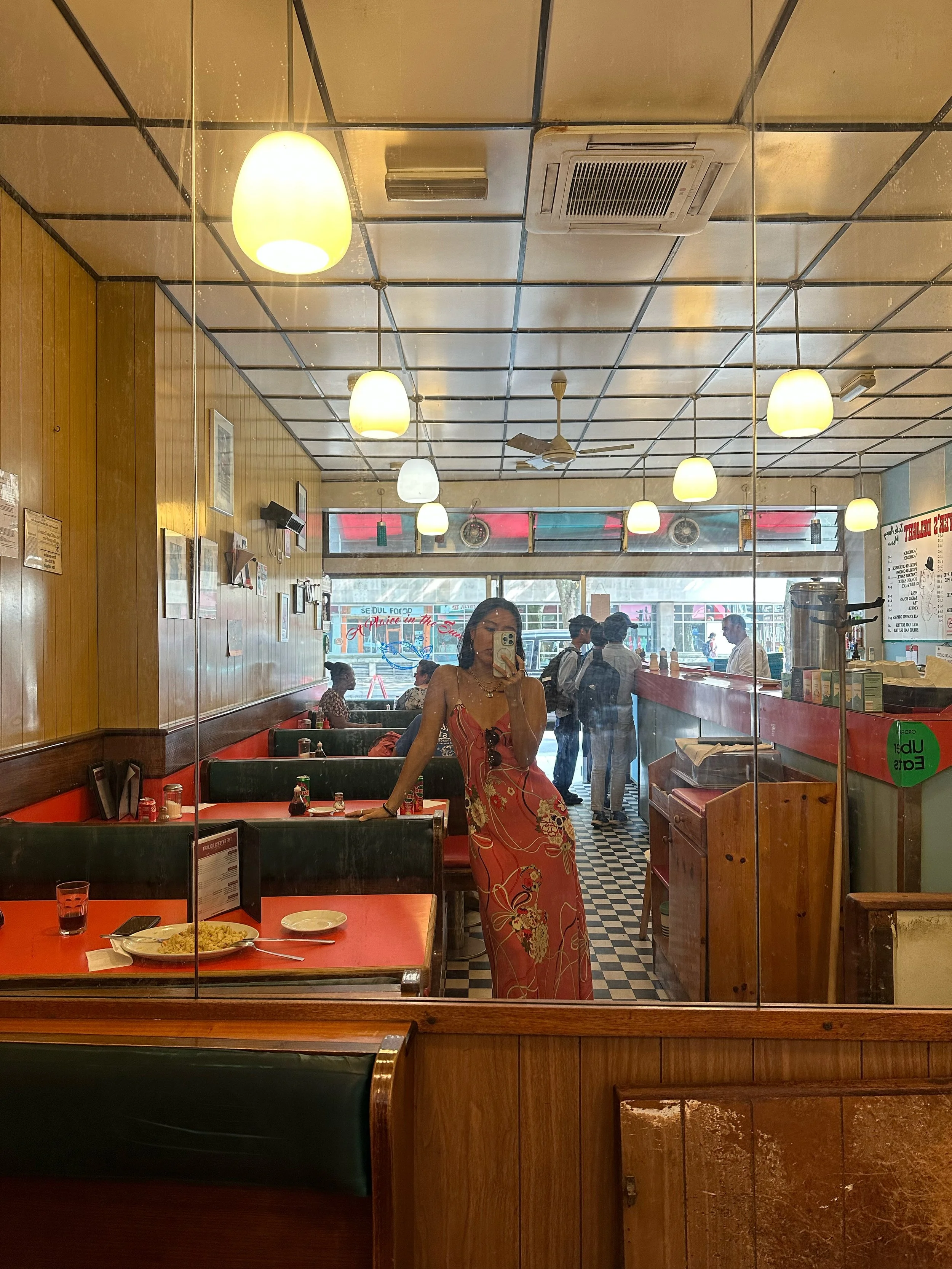
The Fryer’s Delight is a proper, old-school joint for oily, crunchy, utterly sublime seafood. I tried my first cod’s roe, like an aquatic paté in a delicate fried shell made to soak up vinegar and salt. Red Formica tables. Green leather booths. Black-and-white checkered floors. An air of grease and joy.
My favorite glass of wine, meanwhile, was consumed at Planque, a modern wine bar and wine club with beautiful food of technical precision. Chic and architecturally interesting with pops of Yves Klein blue, it introduced me to a wine unlike any other. It was sulphureous on the nose, with a soft-as-cashmere minerality — almost creamy in its neutrality. Sometimes the acidity of a white wine make me feel like my throat and chest are being stabbed with needles. This bottle (Domaine du Gringet La Bergerie Ayze Blanc 2022) was like melted ice-cream going down. And that curious smell! I was smitten by its singularity.
The best pubs are wonky as hell, with carpeted floors and little curtains over the windows that seem pulled from a dead lady’s house. This list could get unbecomingly long, so I’ll keep it to three: The Pride of Spitalfields, off a cobbled backstreet in East End; The Elgin: Spacious with stained-glass, it’s perhaps a little too close to a gastropub, ultimately, but I love it; and the ever-trendy The Cow, where the oysters and prawns in a glass are so delightful it doesn’t matter if some idiot with a signet ring (love you, George) is blowing his vape directly into your eye. Standing outside at dusk with a half pint of Guinness is a great way to end the day, and trip.
This Must Be The Place
I was besotted by New Orleans. I realized just how hard I’d fallen for the city when I returned to New York, pining. There are certain places in the world where the air is thick with energy, sparking as if threaded through with live wire, where secrets and souls ride the wind and brush your lashes. New Orleans was like that for me. In the evenings following my return, I’d play New Orleans jazz, evoking the city through the wailing notes of the clarinet, blue and heartache-y for this place I hardly knew. Maybe I had some other stuff going on. Maybe the city is simply that beguiling.
I stayed at two boutique hotels while there: one beloved, one brand new. The new one is called The Celestine, tucked into a quieter side street of the French Quarter. With just 10 rooms, the property dates back to 1791 and was home to writer Tennessee Williams while (supposedly) he penned A Streetcar Named Desire. The historic property’s guest rooms are more like little chambers, with Caribbean-style shutters, plush four-poster beds, mossy green accents, and antique portraiture — at once ornate and airy. My room overlooked the hotel’s courtyard, where guests laze around a bubbling stone fountain sipping cocktails from Peychaud’s, the hotel’s bar and former home of Antoine Amédée Peychaud, a Creole apothecary and creator of Peychaud’s bitters.
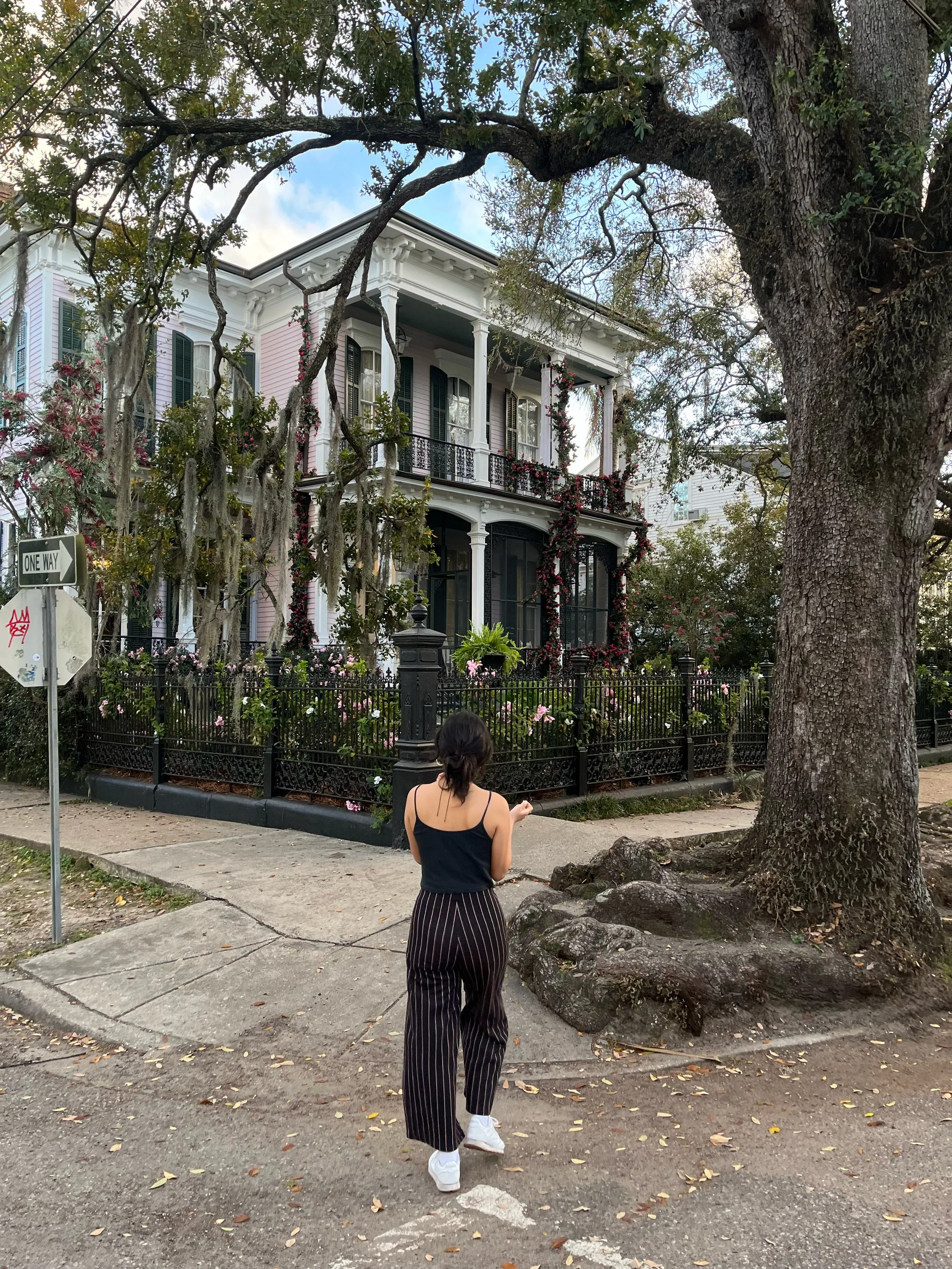
My second stay was at The Celestine’s sister hotel The Chloe, located in the quieter, tony Garden District, which is home to great old homes and stately trees. Containing 14 rooms, The Chloe is housed in a sprawling, moody 19th-century mansion with a lush front yard and rocking chairs dotting the front porch, from which it is a moral obligation to sip sazerac cocktails and watch the world go by. Whimsical, art-lined, and richly appointed, the house feels like the estate of an eccentric family, all of whom are witches or otherwise magically gifted. The doorway to my bathroom was through a built-in wooden wardrobe. What I loved most about The Chloe was the lively local spirit running through it. It seemed to be a watering hole for NOLA residents as much as tourists, with folks stopping in to sunbathe by the pool or take meetings over drinks at the bar, where the food was wonderful. A standout: the pork and shrimp étouffée dumplings bathed in a sauce of crushed chili, ginger, and cilantro.
I had two other restaurant highlights during my visit: lunch at Li’l Dizzy’s Cafe and dinner at Galatoire’s — both institutions. Lil Dizzy’s is a Creole soul-food spot where dishes such as piping hot gumbo, fried catfish, shrimp, and sinfully cheesy grits are ladled into styrofoam containers. As I waited for my table, a second-line parade passed with its traditional brass band, a beating heart of New Orleans history. Galatoire’s was a formal affair (jackets and smart dress required), where the city’s movers and shakers dine on Oysters Rockefeller and turtle soup in a grand, wallpapered dining room. Two must-visit museums (both compact composites of information) are the Backstreet Cultural Museum, a chronicle of Black culture in New Orleans — Mardi Gras celebrations, second-line parades, and jazz funerals — and the New Orleans Historic Voodoo Museum, dedicated to the rich history of the African diasporic religion.

Much Ado About Napa
Legacy. Tragedy. Vision. Status. There is something Shakespearean about Napa Valley. People throw around names with hard edges, clipped consonants, their mouthfeel as tannic as the wines this region is known for and emotive to the level of folklore: To Kalon (a vineyard), Screaming Eagle (a winery), Cakebread (the last name of a real person — and his namesake winery). There is an allegorical language here, painting characters and kingdoms like those of the Bard’s creation (more on that moniker later). I start my tale with two: Scott Becker and Benoit Touquette of Realm Cellars — one of, if not the, most interesting wineries in the area today.
It would be tough to find two more different fellows (upon first meeting, at least). When I first encountered the American Becker, Realm’s CEO, I thought he’d gotten lost on his way to a hedge fund office. The straightest of shooters, he’s all pressed shirts, firm speaking voice, tight brow — a former U.S. Air Force Officer and Harvard MBA. The French Touquette, Realm’s winemaker, seems more like a director who wandered off the set of a music video. He likes streetwear sneakers and bucket hats, and is as irreverent and cheeky as his business partner is measured and resolute. They’re two sides of one brilliant coin.
We met atop Pritchard Hill, the location of one of their three properties. It’s a mythical plot of land, known as the “Rodeo Drive of Napa,” I was told while taking in the golden expanse of rolling vine-lined plots below — the valley stretching far and wide like a sea. This particular property, Realm’s Houyi Vineyard, is a state-of-the-art affair. Glassy, glossy, with modern metal sculptures dotting the land and cavernous slate-gray cellars as hushed as mausoleums. Affluence is everywhere you look. The irony? Realm was once bankrupt.
When Becker and Touquette acquired Realm in 2012, it was in dire financial shape. The wines showed promise, but over the next two years the business barrelled towards closure (made all the worse by having to pour 250 cases of wine down the drain due to inconsistencies — quirks some vintners might've ignored, but Realm could not). After writing personal checks to cover costs, fielding looming bank calls, and calming partners requesting their money back, the tides finally began to turn when Realm released perfect-score wines.
The Realm I encountered was a strong one, underpinned by an almost punk spirit in a sea of what many consider to be Napa’s same-sameness. While many of the top producers in the area play nice together, riding on the coattails of their trailblazing cult winery forefathers (Opus One, Harlan, and, yes, Screaming Eagle, to name just a few) through a carbon copy of their models, Realm seems be hustling off in the corner, doing things its own way. The winery once rejected a selection of grapes from To Kalon, a vineyard steeped in prestige and run by a real godfather of the valley. It wasn’t up to their standards.
Realm’s label art is sexy and cerebral, poppy and weird. Where most vineyards depicted their chateaux, Realm slapped punk art on their bottles. “We didn’t have a chateau!” Becker laughed. With multiple properties to their names today, it’s incredible to imagine this origin story: a winery with no land of its own. (In the beginning, Realm would buy its grapes off other vineyards.) The blueprints I viewed on the winery’s walls during my visit — intricate sprawling maps depicting hieroglyphic directions for soil and vines, topographical detailing — made it clear that Becker and Touquette are now custodians of their own land, and they’re planning decades down the line.
One of their most elusive wines, The Absurd, is a true embodiment of Realm’s punk spirit. Its art features cutouts from vintage Playboy magazines. And as for the juice: Well, they don’t actually tell you what’s inside. Their philosophy is that its exquisite quality transcends classification. Unbound, avante-garde, the vintage is true to its name.
“The Absurd could be one varietal, or it could be five. It could come from one vineyard lot, or it could come from a dozen. Each time we make The Absurd we start with a blank canvas. Our sole guideline is our palate … We never assign descriptors to The Absurd because it is beyond description. Or at least beyond our description, beyond the simplicity of the vineyards or varietals that go into it,” reads its bio on Realm’s website.
The one descriptor I was given by Becker and Touquette was “hedonistic.” A 2019 bottle is priced at $1,075, with allocations offered to winery members by invitation only. Its retail and secondary market prices can reach as high as $2,500. I tried some. My impression was something between dialed and bombastic, of clenching a bundle of oxblood velvet in a vein-popping fist — then releasing. It tasted like fucking power.
Realm’s flagship wine is a more grounded blend, with Cabernet Sauvignon as the dominant varietal. Weighty, with notes of red and black fruit, the bottle is curious. Its label outlines a passage from Richard III : “This blessed plot, this earth, this realm…” The bottle’s name? The Bard.
Two hotels, both alike in dignity, in fair Napa, where we lay our scene and where I stayed were, first: Auberge du Soleil. The property started as a restaurant in 1981, widely thought of as the valley’s first fine-dining destination. Today, it’s a 50-room hotel nestled within a golden hillside of old olive and oak trees — and still a dazzling destination for food.
On a terrace, overlooking the rolling green hills, its Michelin-starred The Restaurant is enough to make it worth a visit. Delicacies include a soft-as-a-kiss corn soup weighted with blue crab and one particular gnocchi that was plush as pillows, served with silken wild mushrooms under a bed of savory, aromatic foam. As for the hotel itself, there’s a dynamic sculpture garden with technicolor metal shapes made for walking through as dusk descends. The spa features three outdoor pools: hot, warm, and frigid to get the blood blissfully flowing. Suites embody classic luxury — everything from wood to tiles to bedding cast in creamy champagne tones, with a fireplace for chilly nights and an intricate skylight above the shower. When you’re itching to explore? The property loans Mercedes for guests to roam in style.
My second stay? Four Seasons Napa Valley. Slick and sexy were two words that came to mind when I visited this property, located up north in Calistoga. Rustic elegance was another — felt via velvety matte-black tiled bathrooms, sleek outdoor fire pits, and dramatic reclaimed-wood headboards. My room overlooked waves of sloping vines that, come golden hour, shimmered as if coated with gold dust.
The light on this property is really something else. It turns the surrounding mountains pink — a sublime vista from the resort’s massive pools and hottubs, located along the property’s meridian. There’s a winery here, too, a sister destination called Elusa offering elegant tours. Come night, the hotel’s flagship restaurant kept its floor-to-ceiling windows open. Crisp evening air rushed in as I bit into a perfect, juicy burger washed down with a plummy Napa cab. Heaven. Another magical detail is the resort’s proximity to the old-timey town of Calistoga. I took one of the resort’s bikes, and a breezy ride brought me to the enchanting enclave, known for its healing hot springs, boutiques, and quaint restaurants. Access to this dreamy little place was really the cherry on top when it came to this stay.
CONVERSATIONS
My column, Tasting Notes, continued my passion for chef interviews — highlighting questions focused on provenance, personal connection, and a touch of irreverence. Some examples below.
Marcus Samuelsson
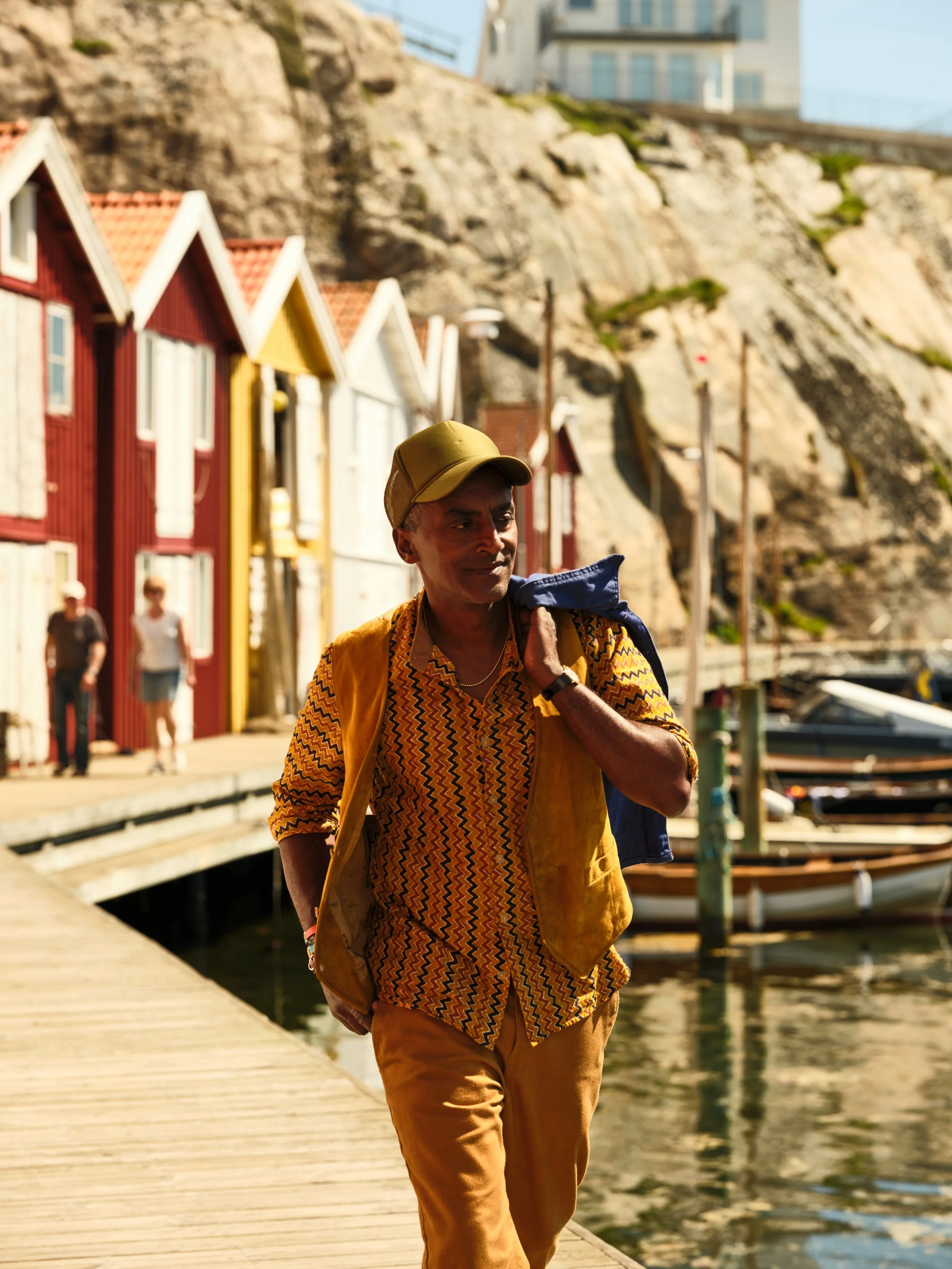
Let’s tuck into Tasting Notes, a collection of essential food questions featuring the most exciting names in the industry. Today’s spotlight is Marcus Samuelsson, the Ethiopian-Swedish chef with restaurants worldwide, including his iconic Harlem eatery Red Rooster and Hav & Mar in New York’s Chelsea neighborhood.
Samuelsson also has a long-standing connection to arts and design. His most recent project is a foray into home: a 32-piece capsule collection with West Elm, blending the spirit of Ethiopian and Swedish aesthetics. It’s as rich and vibrant as the multicultural cuisine Samuelsson’s known for. Now, amongst other things, I ask for his hangover cure.
What's something that always tastes better in its place of origin?
Freshly caught fish reminds me of fishing in Sweden with my family when I was a kid. It's a complete experience, with a fresh catch going straight on the grill with some lemon or herbs — simple and delicious, to be enjoyed with loved ones. Now I get to do it with my son Zion, teaching him these skills.
What's the only thing to bring to a dinner party?
Festive cakes are always crowd-pleasers, like a chocolate-cherry cake — simple to make, yet so rich and memorable.
What’s a flavor that makes you emotional?
The flavor of Swedish meatballs — I now do a version of them for my kids — or something pickled, since we did a lot of pickling of foraged fruits and veggies. They’re dishes from my childhood that bring me back to the home I grew up in, full of love and good food cooked by my grandmother, Helga. I would sit in her kitchen while she cooked.
What do you cook for someone who’s sick?
Chicken soup is a classic. It's hearty and easy to digest, and you can make it easily from leftover chicken. If you have a chicken bone with some dark meat on it or a bone from a roast with some beef stuck on it, don't remove them; they will add some great flavor. You can add some chili or a favorite spice to help clear your sinuses if you're feeling congested.
If you're a drinker, what must be consumed in excess? Now, what’s your hangover cure?
I’m not really a big drinker but as a Swede I always appreciate aquavit, which is a great summertime drink because it's light and infused with herbs and spices. Hav & Mar does a great job of really showcasing all it can do — it's such a refreshing spirit. It's best to avoid overdrinking in the first place … but if you are indulging and end up with a mean hangover, I suggest going for something hearty with a lot of fat, like pork belly ramen.
Victoria Blamey
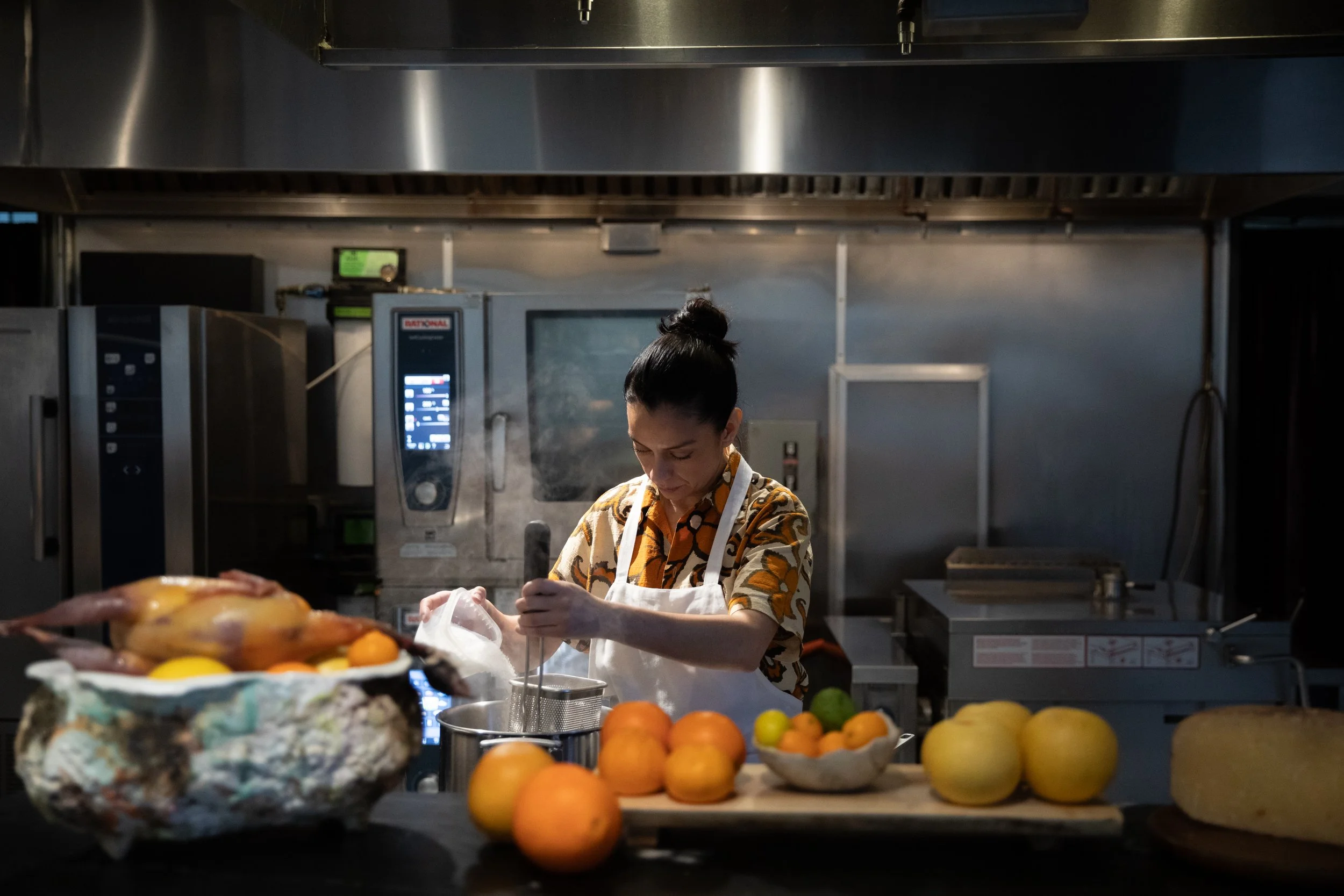
Victoria Blamey is the bold Chilean chef helming the revival of Blanca in Bushwick, Brooklyn. The elevated sibling to neighboring pizza hall Roberta’s, Blanca is a tasting menu-only establishment serving 18 courses of seafood that showcase both the influence of Blamey’s home country and her culinary signature: unexpected, intentionally challenging, intellectual ingredient pairings. Think fresh pasta featuring snails, lavender, and celery foam or surf clam and yuzu sauerkraut nestled atop mashed sweet potato.
With a strong connection to oceanic ingredients and tenures at fine-dining kitchens around the world (Mugaritz in Errenteria and wd~50 in Manhattan), Blamey has an exacting ability to blend global flavors at the highest level. Now, amongst other things, I ask her what to cook for a sick person.
What’s a flavor that makes you emotional?
Green beans and tomatoes. They remind me of my great-aunt Mena. Also strawberry and blackberry jam — my great-aunt Cristina would make the absolute best preserves. I would visit my aunts with my mum and sit at the dinner table, gossiping about very old family events. It was so entertaining, and an all-women table.
What's something that always tastes better in its place of origin?
Definitely Basque food. The food and produce (such as hearty seafood dishes, stews, and pintxos) are so connected to their place of origin that I cannot taste the same flavors and notes when they’re not in the landscape where they were born.
What do you cook for someone who’s sick?
A soup my mum used to make for me: ground beef and tiny pasta. You need to make sure the beef is very lean, 10% fat is ideal, and make it with cold water. I think of my mum every time I have this soup.
What's the only thing to bring to a dinner party?
Good vibes and a great bottle of wine!
If you're a drinker, what must be consumed in excess? Now, what’s your hangover cure?
Wine and more wine! (Sulfites increase my migraines, so natural wine for me.) And the cure? A nice bloody mary with a burger.
League of Kitchens
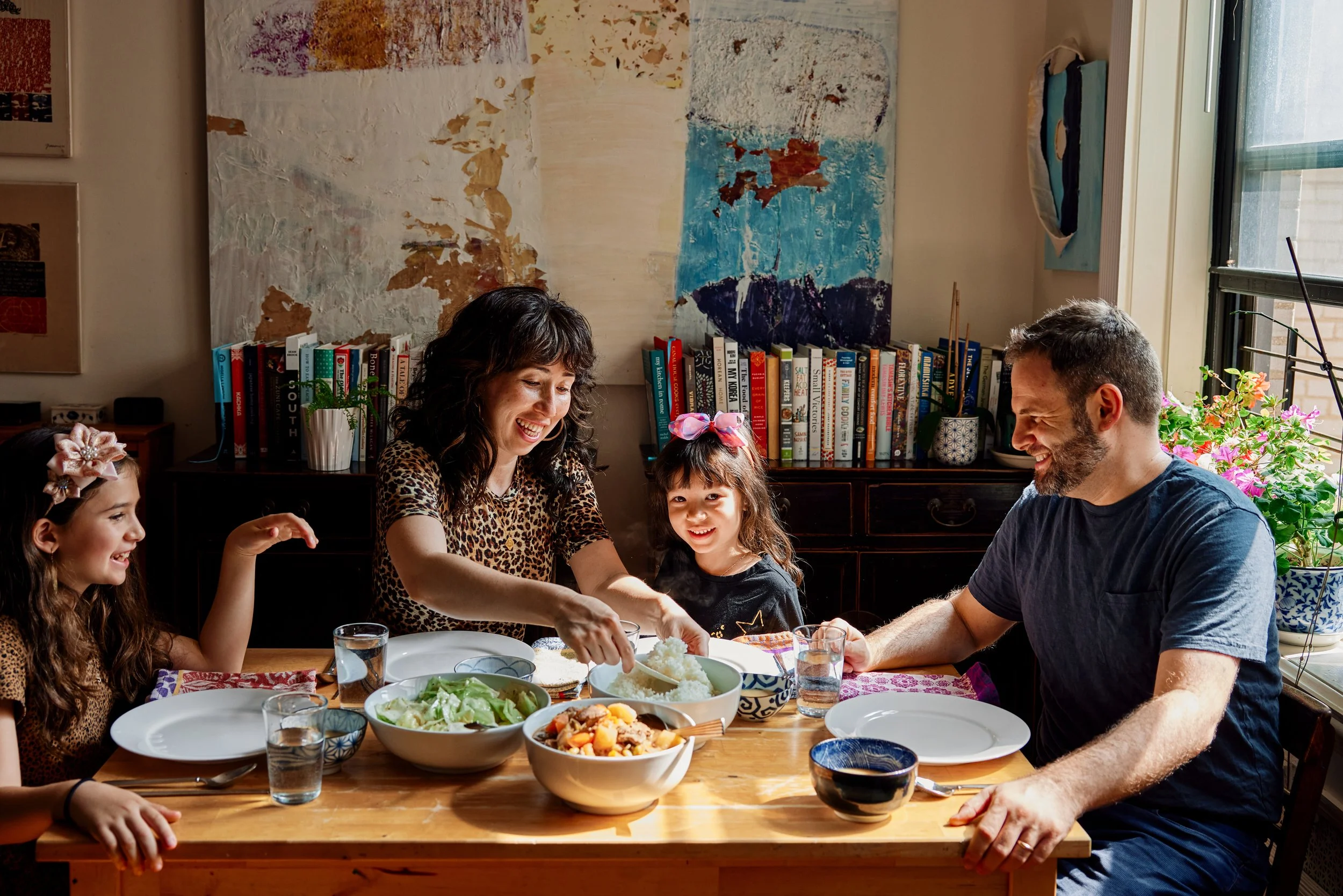
Lisa Kyung Gross founded League of Kitchens based on her belief in food as a universal language and rooted in her experience as a daughter of a Korean immigrant and Jewish New Yorker. The celebrated cooking school has since been empowering immigrant women to share their family recipes, culinary expertise, and cultural stories via intimate cooking workshops.
Her most recent project? A cookbook compiling the recipes and philosophies of these cherished collaborators. From Uzbek mung bean soup and Indonesian corn fritters with shrimp to Lebanese salad with pomegranate molasses, each dish is accompanied by personal tales and family traditions that provide the backbone to a mouthwatering, soulful compendium of flavor and love. Now, amongst other things, Gross divulges her favorite dinner party gift and the meals that most move her.
What's something that always tastes better in its place of origin?
In-season, local fruit: a Japanese persimmon in the autumn, an Italian tomato in the summer, a California avocado from the farmers’ market — nothing is better or tastes as good
What's the only thing to bring to a dinner party?
Wine and/or dessert! I like to get pişmaniye (a Turkish candy floss that’s made with flour, butter, and sugar) from our neighborhood Uzbek corner store. It’s really yummy and fun to eat.
What’s a flavor that makes you emotional?
A chopped liver sandwich on rye bread with a Dr. Brown’s cream soda or doenjang guk with rice and kimchi — two of my favorite meals when I was a kid, one eaten with my Jewish grandmother, the other eaten with my Korean grandmother.
What do you cook for someone who’s sick?
Chicken soup mixed with rice, with some extra garlic and ginger thrown in.
If you're a drinker, what must be consumed in excess? Now, what’s your hangover cure?
I’m not much of a drinker but happy to sip on something delicious, especially when it’s accompanied by food!
Erik Ramirez
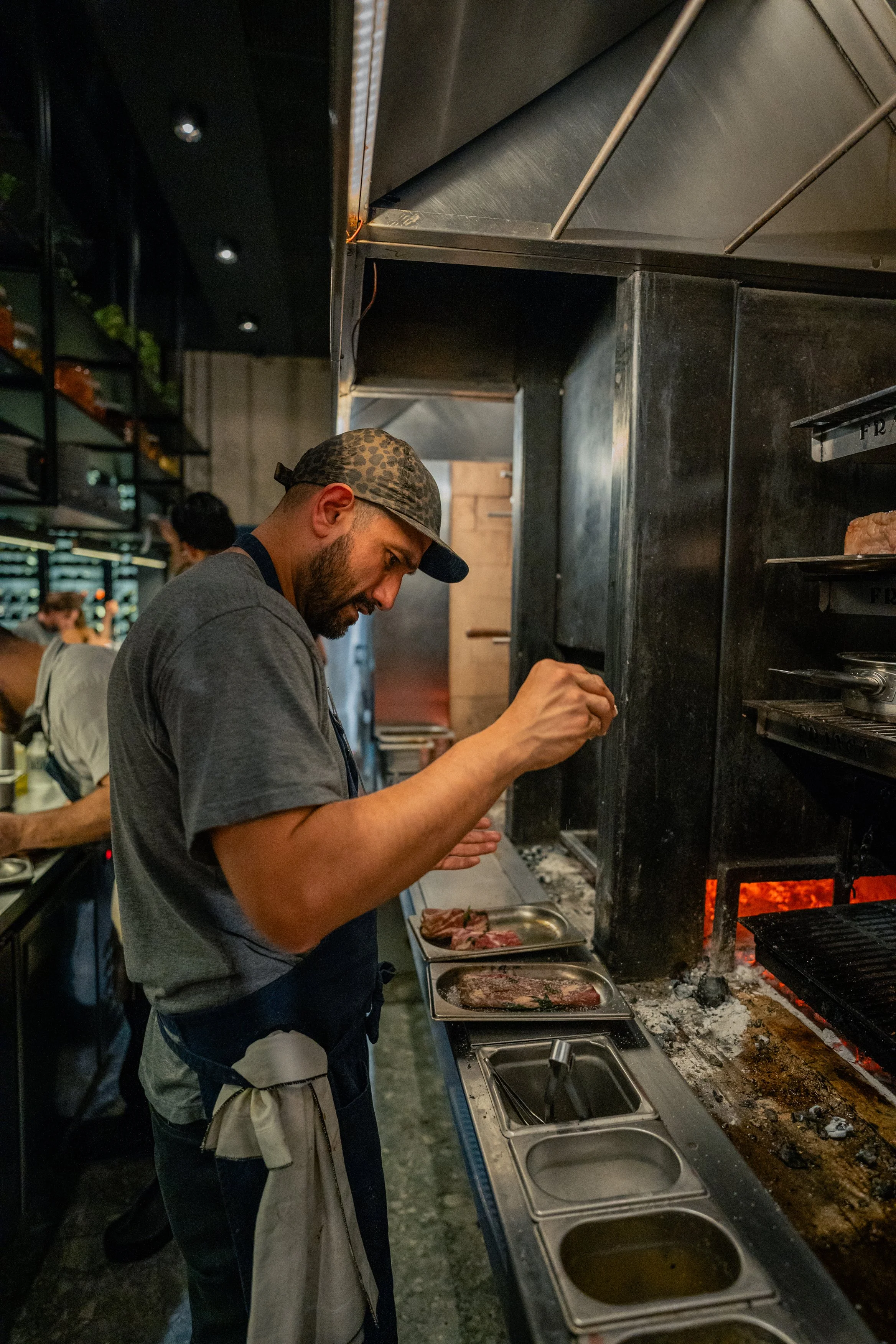
Chef Erik Ramirez helms two of New York’s most brilliant and beloved restaurants that, at this point, merit the title of institutions: the Peruvian Llama Inn in Williamsburg — a grand, glassy space strung with verdant tropicalia, serving up hearty, dramatic dishes such as lomo saltado (stir-fried beef) and bright ceviches — and Llama San, a West Village enclave of airy, earthy minimalism, where nikkei cuisine (Japanese-Peruvian fusion) of brilliant measure comes to life. Whenever I’m asked for a nice dinner recommendation, I urgently point them to the latter (no less distinguished than the former, but we all have our favorites), with a note not to skip the cocktails. I often daydream about the restaurant’s Susu-Hai, a savory, fatty, dreamworthy whiskey drink washed with buttered popcorn … Here, the ingenious Peruvian-American chef shares a few flavors particularly significant to him.
What's something that always tastes better in its place of origin?
When it comes to Peruvian food, ceviche. The combination of fresh seafood, lime, ajies, and the unique ways it’s prepared — everyone has a little trick, here or there, of how they make it (often right by the coast) — make it a dish that truly shines in its homeland.
What’s a flavor that makes you emotional?
My mom’s seco combinado de carne, a traditional Peruvian dish. It’s a hearty beef stew, which is marinated in a blend of cilantro, garlic, spices, ajies, and beer or chicha de jora (she made it with beer), then slow cooked until tender. Her dish usually included potatoes, peas, and carrots all simmered together. She served it with white rice, beans, and salsa criolla (red onion salsa made with lime juice, cilantro oil, and salt). It carries a lot of emotional significance, bringing back memories of home and family.
What do you cook for someone who’s sick?
I typically cook for two people when they’re sick: my sons, Luca and Nico. They love soup or broth, usually made with chicken, ginger, cabbage, and scallions, with a little miso or just salt.
What's the only thing to bring to a dinner party?
Laoganma Chili Crisp hot sauce — not specific to the dinner party, it’s something I often give as a gift.