EDITORIAL PROJECT
Prior

ART BY CHRISTIAN MARTIN
While leading Prior’s editorial platform, I managed over 30 contributors in the development of rigorous destination features, guides, and themed editorial packages. I shaped, commissioned, edited, and packaged all stories; restructured Prior’s verticals into a more intuitive content ecosystem; and reworked signature questionnaires. Some favorite pieces under my tenure…
A guide to Milan through the designs of architect Piero Portaluppi (most known for his creation of Villa Necchi). A reflection on the enduring power of Mexican novel Like Water for Chocolate by memoirist Nina Renata Aron. My winter dining guide to NYC. A two part Taiwan package exploring the capital by night and the country’s greatest cultural export — boba — by day. The local chefs’ guide to Mumbai. And a look at the best of Cancale, Brittany.
Two editorial packages of particular note lie below…
Soup for the Soul
To quote the French chef Louis P. De Gouy, “Soup is cuisine's kindest course. It breathes reassurance; it steams consolation.” With the cold dark days of winter ahead, we present Soup for the Soul — a collection of stories exploring the magic of soup. Why soup? Because few dishes punch as far beyond its composition as soup, a distillate of a culture’s cuisine and an x-ray of its terroir. Take the Mexican pozole. Studded with hominy, this ingredient is the result of nixtamalization, a process used by the Ancient Aztecs and Mayas. Each sip is a callback to indigenous ancestry. Now look at gazpacho. Thickened with bread in a trick from the Ancient Romans, flavored with olive oil and almonds from the Moors, then later mixed with tomatoes from the Americas, the dish tells the very timeline of Spain.
Soup is also the original medicine. In Ancient Greece, the physician Galen prescribed chicken soup for migraines, upset stomach, fevers, even leprosy. Satisfying, with few and often modest ingredients, it’s also thus a dish of the people. A balm for that which ails us — all of us. Most powerfully, soup is a metaphor for alchemy. In the folktale Stone Soup, a hungry traveler comes upon a village, asking for a bit of food to no avail. So he announces he’ll make “stone soup.” The only thing missing is a pot. Intrigued, the villagers loan a pot. The traveler fills it with water, drops in a stone, and starts to mix. “Stones like these generally make good soup. But oh, if there were carrots, it would be much better,” he says. Off a curious villager goes to grab some spare carrots. “Boil stones in butter, and you may sip the broth,” he continues. Some butter is fetched. On it goes. Soon enough, the pot is bubbling with enough to feed the entire community — the villagers delighting in the shared feast.
The takeaway? The promise of something greater than the sum of its parts can unify the disparate, the disjointed, and the isolated.
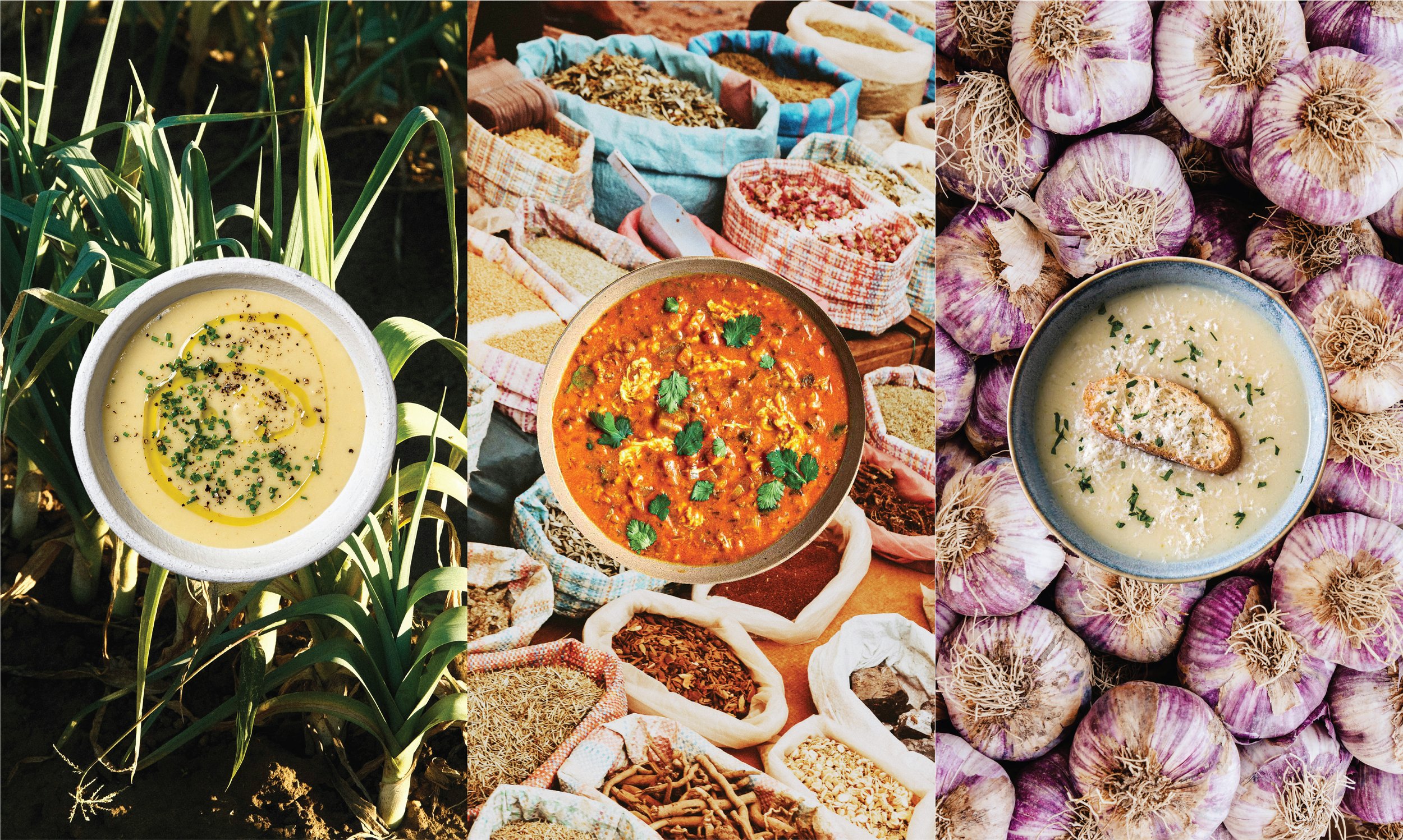
David Tanis Will Travel For Soup
The cookbook author and chef on four life-changing soups discovered on the road.
By: David Tanis
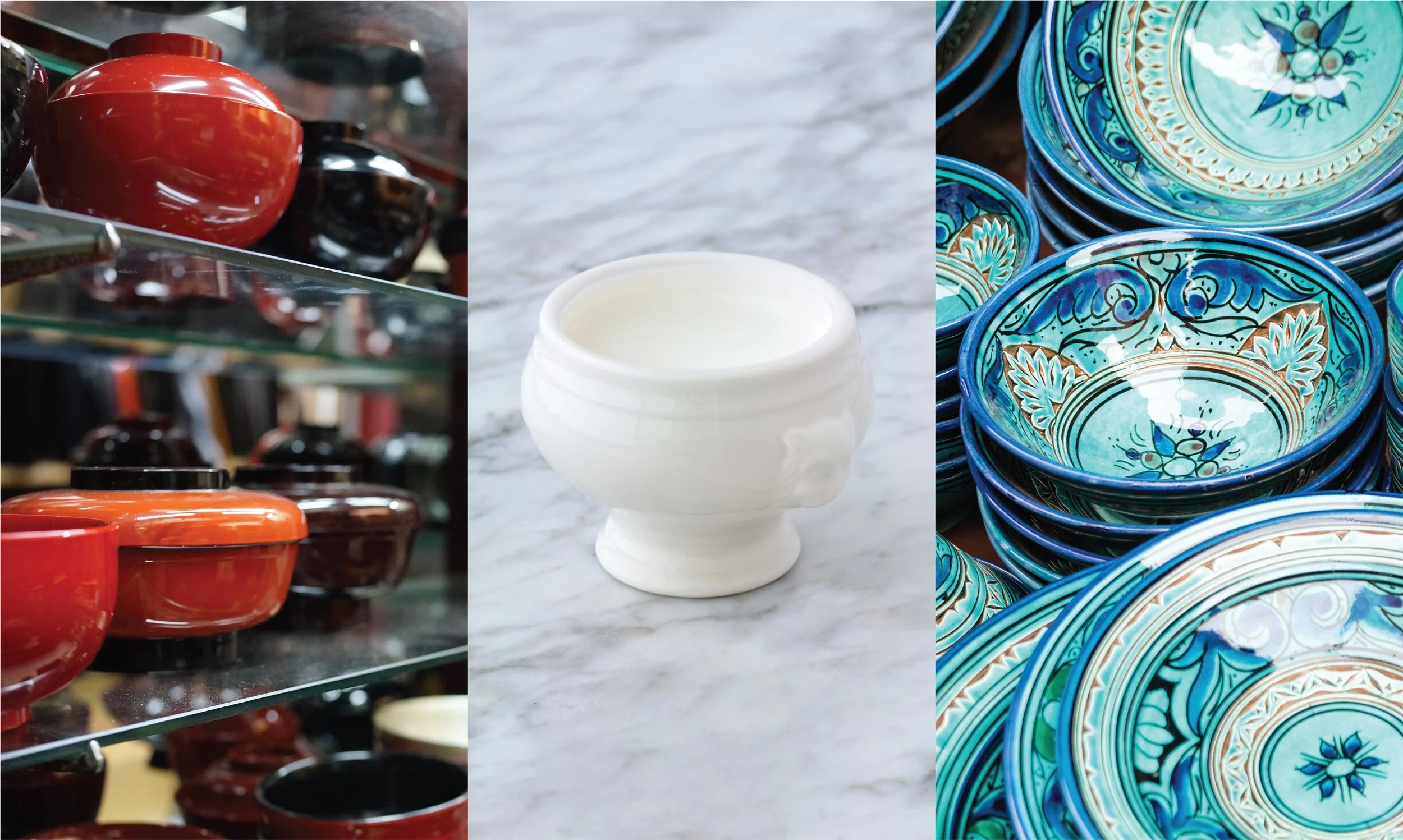
Bowled Over
A tour through exquisite soup vessels from around the world.
By: Christine Muhlke
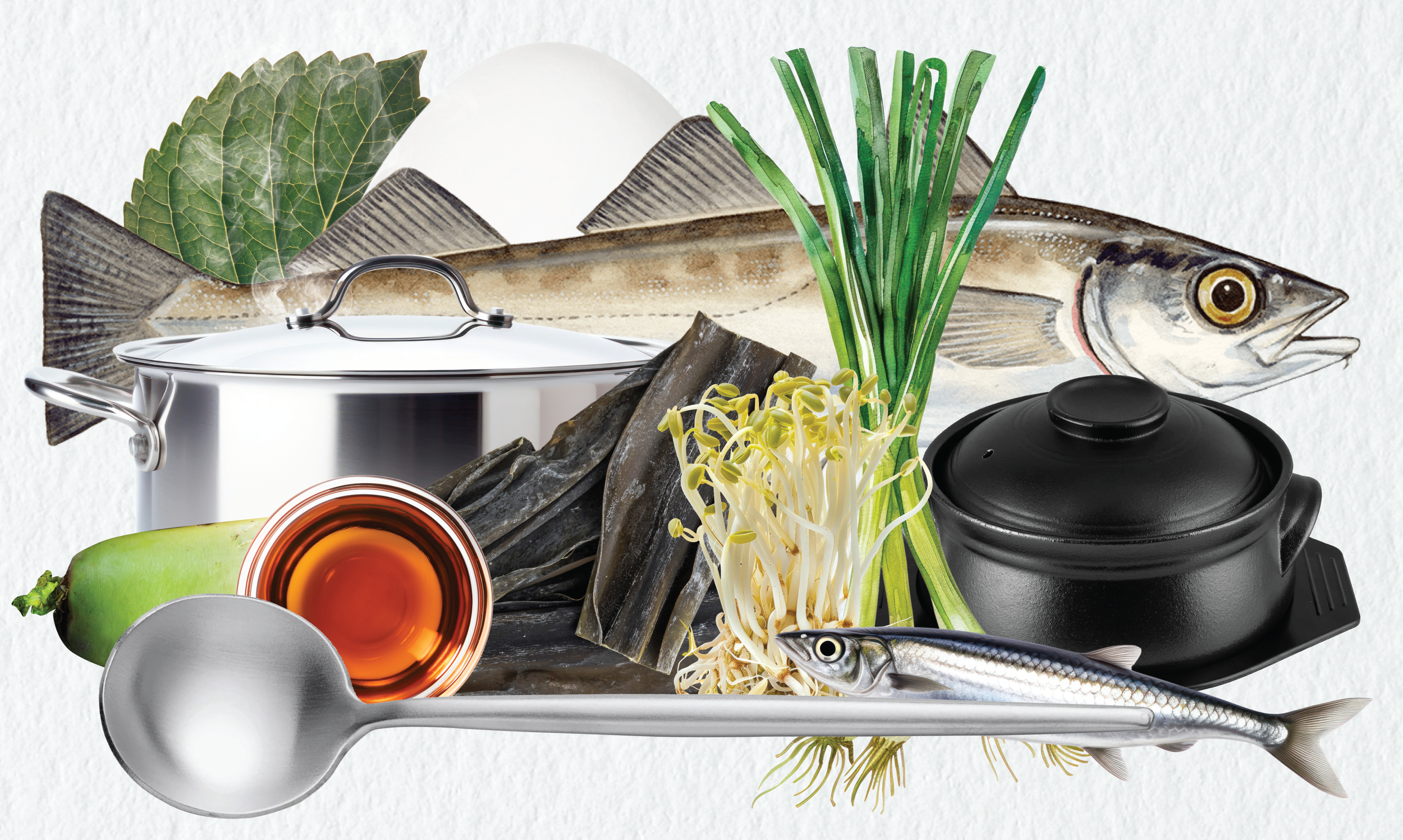
A Softer Sip
Everyone knows kimchi-jjigae, the spicy, tangy Korean stew. But in trying times, it’s gentler sibling is what we all really need.
By: Elissa Suh
Another is a package we evolved into its own signature column: the Only Ins — story collections dedicated to particular cities, each story exploring a culture defining that city.
Only In… Kyoto

The Soft, Earthen Magic of Machiya
Marked by their narrow wood facades, hidden courtyards, and paper screens, the traditional Japanese townhouse is one of Kyoto’s most immersive time capsules.
By: Danielle Demetriou
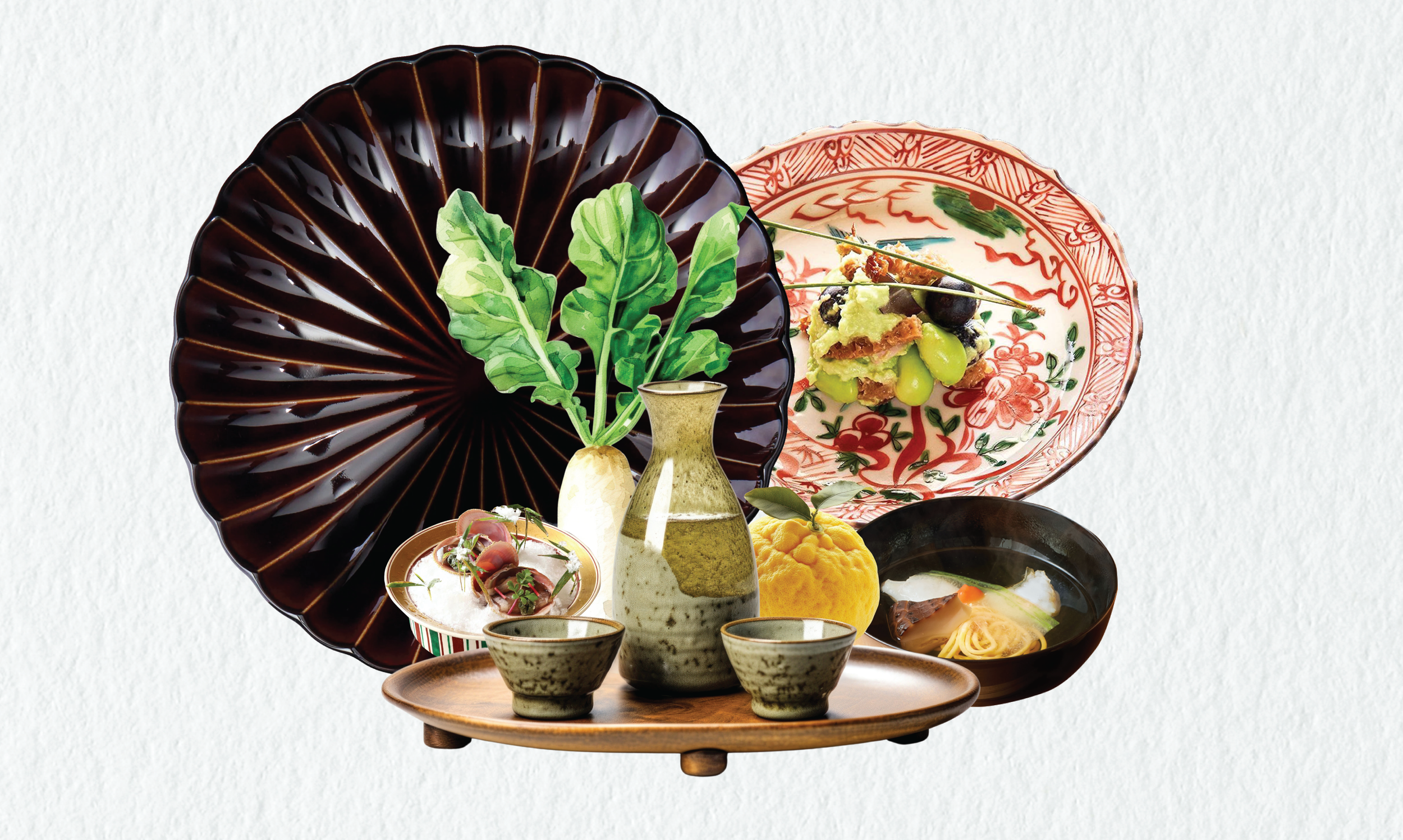
Edible Art, Shaped by the Seasons
Born in Kyoto, kaiseki is an exquisite time-honored style of cuisine rooted in nature's rhythms.
By: Florentyna Leow

The Endless, Exquisite Cuts of a Single Shape
A canvas for Japanese craftsmanship, the kimono has been wrapping bodies for over a thousand years — experienced nowhere better than old-world Kyoto.
By: Ashley Ogawa Clarke